Quality & testing
What is measured, and what is recorded
Every lot is tested before it is released, and the figures that come back belong to that lot rather than to the compound in the abstract. This page sets out the methods, the release sequence and the storage specification.
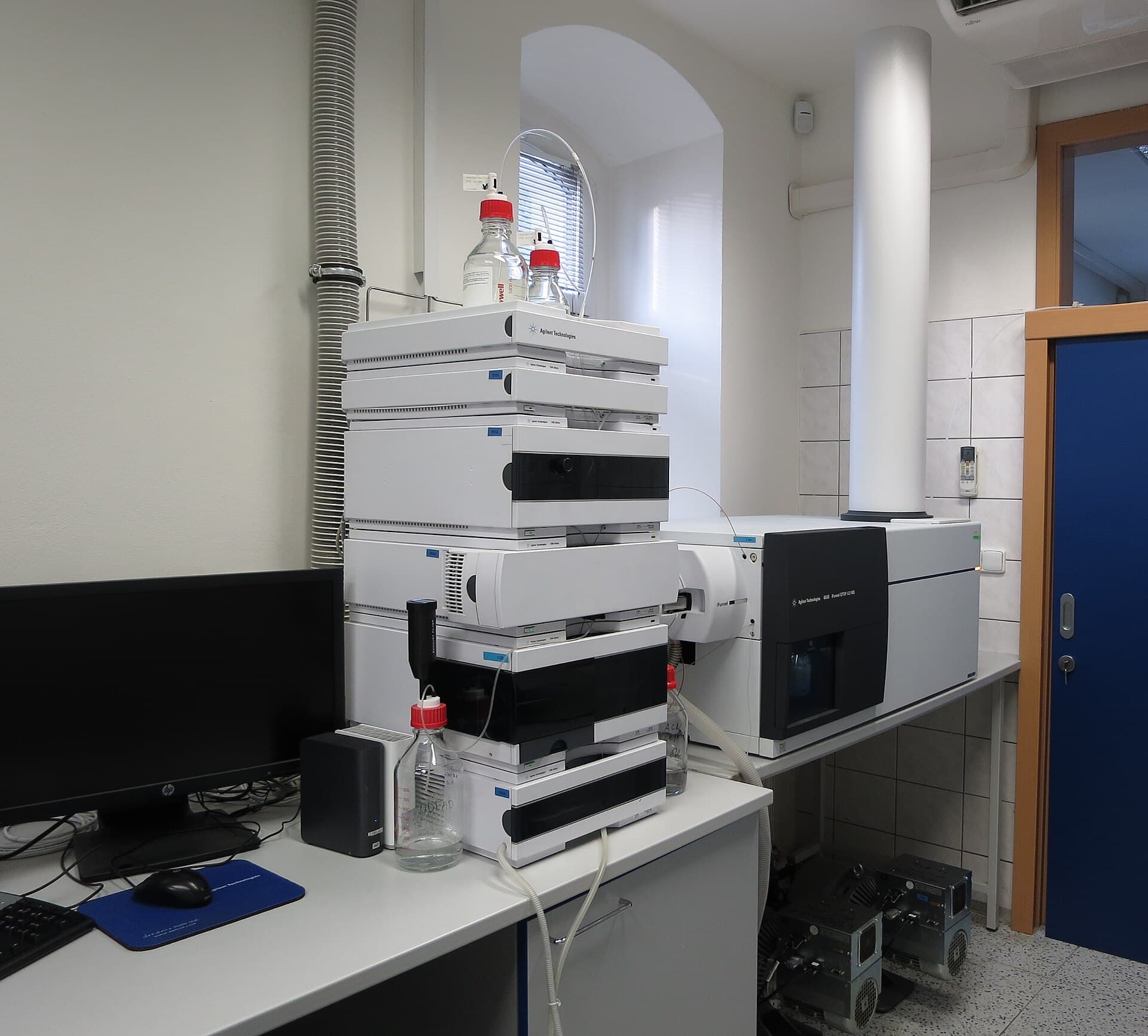
Representative trace
HPLC-UV · 214 nm
A single dominant peak on a flat baseline. Illustrative of the method; the trace for a given lot is on its certificate.
- ≥98%
- purity specification
- 214 nm
- HPLC-UV detection
- Per lot
- certificate of analysis
- On dispatch
- lot recorded to the order
Analytical methods
6 testsHPLC-UV
Purity214 nmReverse-phase high performance liquid chromatography with ultraviolet detection at 214 nm, the wavelength at which the peptide bond absorbs. Purity is reported as the area of the main peak as a percentage of total integrated peak area. The specification is ≥98%, and the figure obtained for the specific lot is stated on its certificate rather than the specification being restated.
LC-MS
IdentityESILiquid chromatography coupled to mass spectrometry, confirming the observed mass against the mass calculated from the sequence. A lot is not released unless the observed and expected masses agree within the tolerance stated on the certificate.
Peptide content
Net peptide massper vialThe proportion of the vial contents that is peptide rather than counter-ion, residual water or salts. This matters when preparing a solution to a known concentration: a vial labelled 10 mg gross does not contain 10 mg of peptide, and the certificate states the figure for the lot.
Water content
Residual moistureKarl FischerResidual water left in the cake after lyophilisation. It is reported because it is part of the mass that is not peptide, and because a cake that has taken up moisture is the first sign of a seal that has not held.
Counter-ion
Salt formICWhich salt the peptide was isolated as — most often acetate, sometimes trifluoroacetate — and at what level. The salt form is stated on the certificate because it changes the net peptide content and, for some assays, the result.
Appearance
Physical statevisualVisual inspection against the specification of a white lyophilised powder or cake. Discolouration or a collapsed cake is a rejection at goods-in and the lot is not released.
Release
Goods-in
The consignment is checked against the purchase order and the vials against the appearance specification. A lot that fails here is quarantined rather than shelved.
Certificate received
The certificate of analysis for that lot is obtained from the manufacturer. A lot with no certificate is not a lot that can be sold; it is stock with no provenance.
Specification checked
Each figure on the certificate is read against the published specification — purity, mass, peptide content, appearance. A disagreement stops the lot here.
Released
Only then can the lot be assigned to an order line. Unreleased lots are invisible to the ordering system, so material cannot be dispatched against a batch whose certificate has not been seen.
Recorded on dispatch
The lot number is written to the order line at the point of dispatch, so the certificate for material supplied years ago can be produced without inferring which batch was in stock at the time.
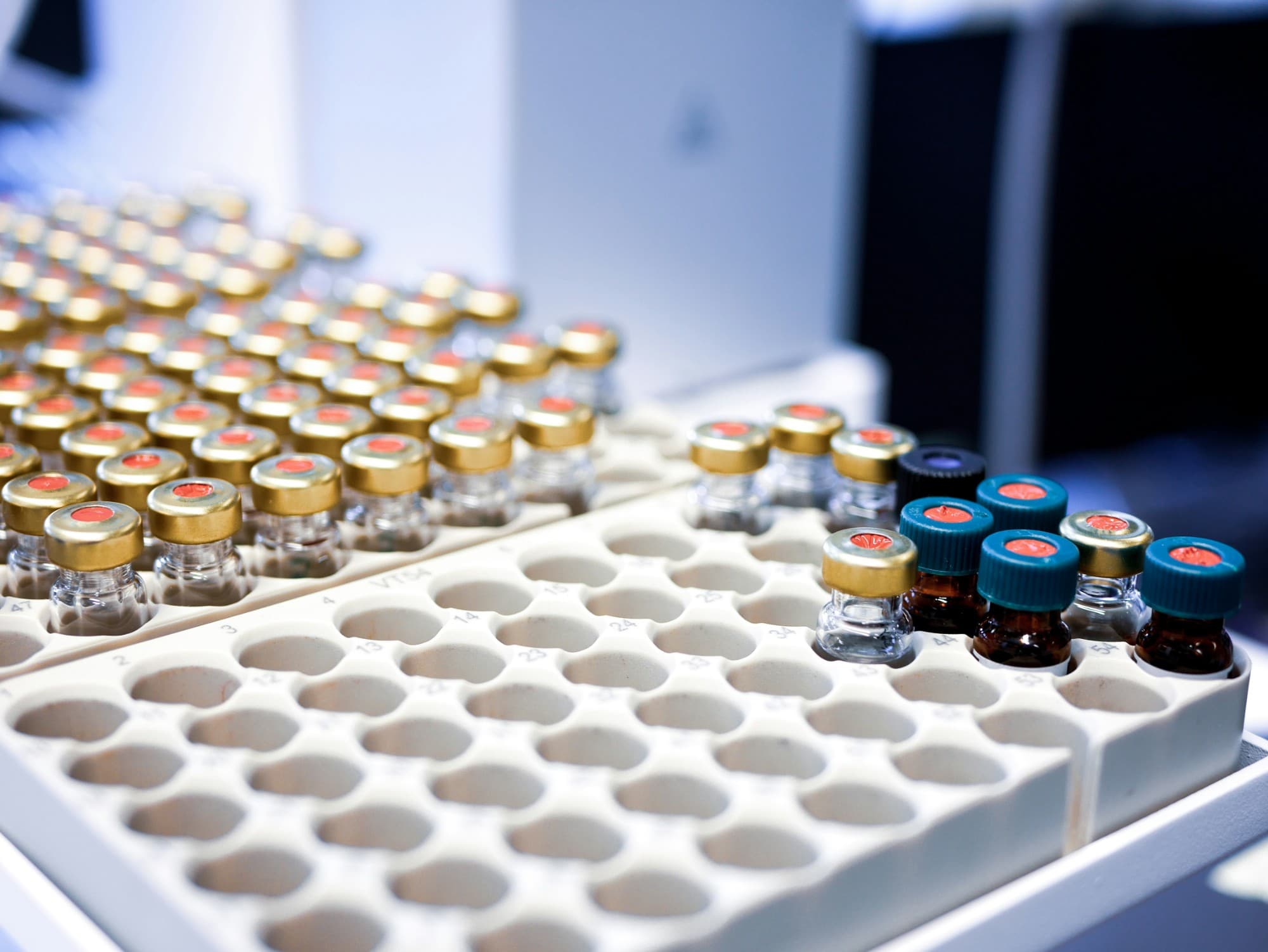
Lot numbers and certificates
A certificate belongs to a lot, not to a compound. The purity of a named compound in the abstract is not a meaningful figure; the purity of a specific synthesis, tested on a specific date, is.
Retrieve one from certificate lookup using the lot number printed on the vial, or from the order history in your account.
Storage and handling
| Form as supplied | White lyophilised powder, sealed under an aluminium crimp cap |
|---|---|
| Storage specification | −20 °C, protected from light and moisture |
| Short-term handling | Shipped at ambient temperature in insulated packaging, as is standard for lyophilised material |
| On receipt | Transfer to −20 °C promptly and allow sealed vials to reach room temperature before opening, so atmospheric moisture does not condense onto the contents |
| Shelf life | Stated on the certificate for the lot |
Why the figures are per lot
Two syntheses of the same sequence are not the same material. They differ in purity, in what the impurities are, in counter-ion and in residual water, and any of those can change a result.
Publishing a single number against a compound name would be tidier and would mean nothing. The specification states what a lot must meet to be released; the certificate states what the lot in front of you actually measured.
Research insight
Recent literature
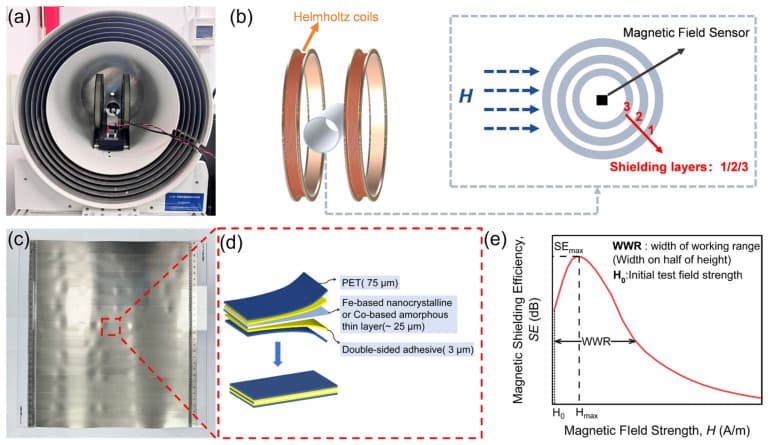 Semax2026
Multi-Layer Magnetic Shields Based on Fe-Based Nanocrystalline and Co-Based Amorphous Ribbons.
Liang Y, et al. · Materials (Basel, Switzerland)
Figure: Liang Y, Liu B, Ma H, Pan L, He A, Dong Y, Man Q, Li J. Materials, 2026. CC BY.
PMID 42195624
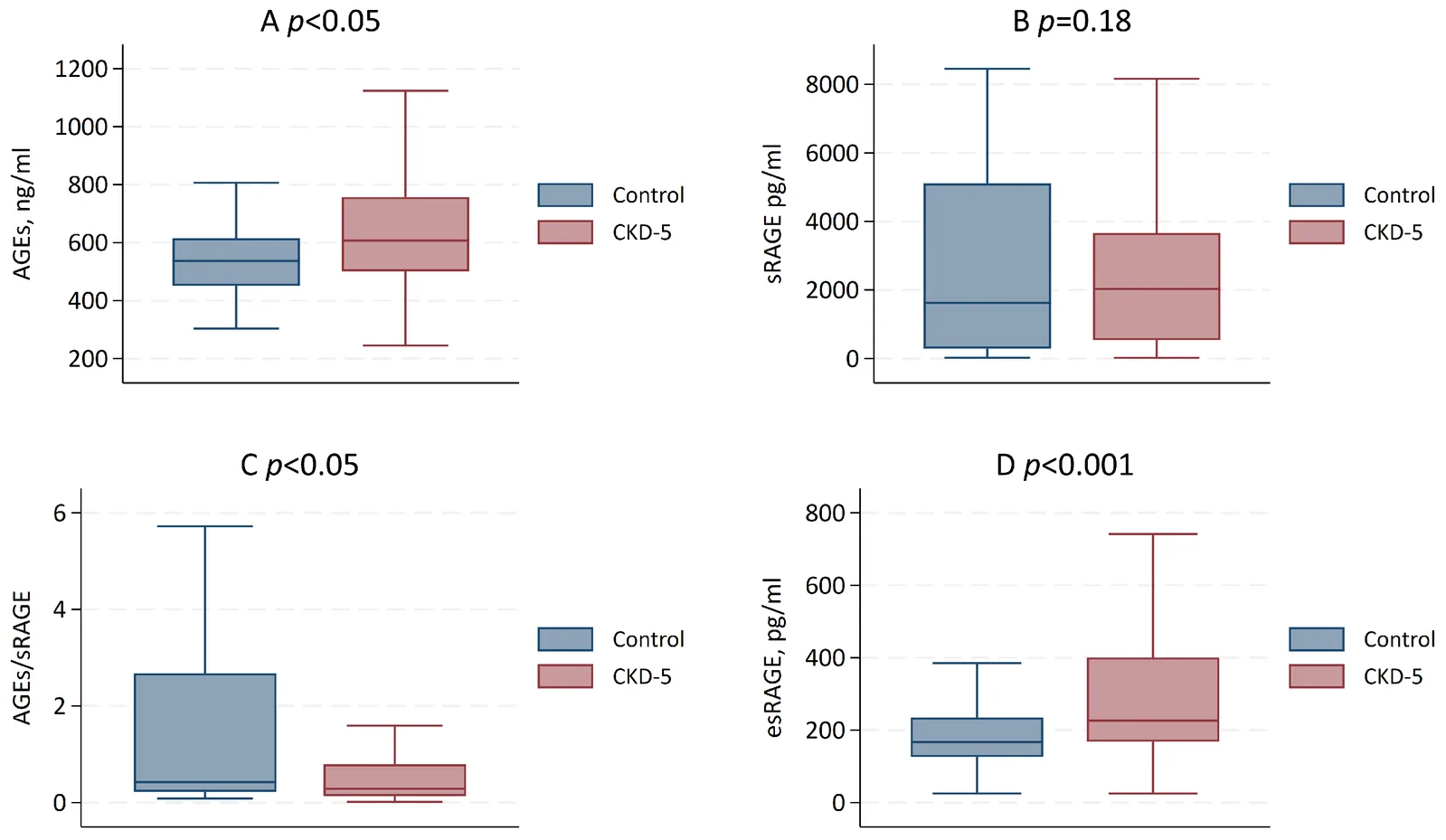 MOTS-c2026
AGEs-RAGE Axis and Mitochondrial-Derived Peptides in Advanced Chronic Kidney Disease: Interconnected Pathways Beyond Inflammation and Nutrition.
Suliman ME, et al. · Antioxidants (Basel, Switzerland)
Figure: Suliman ME, Rahman A, Qureshi AR, Barany P, Stenvinkel P, Kublickiene K, Lindholm B. Antioxidants, 2026. CC BY.
PMID 42650220
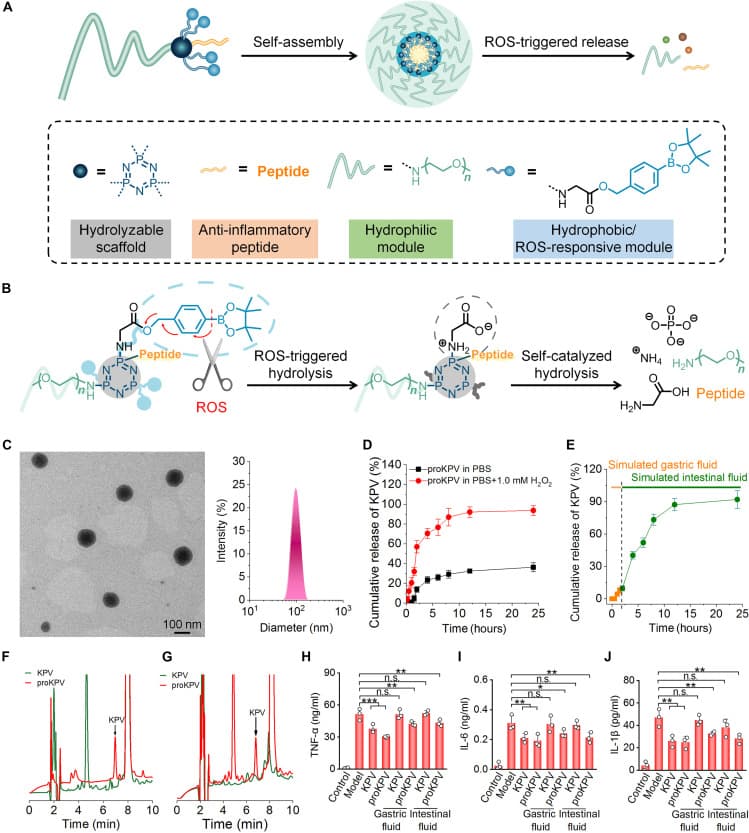 KPV2026
Inflammation-triggered self-immolative conjugates enable oral peptide delivery by overcoming gastrointestinal barriers.
Cheng J, et al. · Science advances
Figure: Cheng J, Wu P, Li C, Han Y, Sun M, Dou Y, Chen S, Zhang J. Science Advances, 2026. CC BY.
PMID 41533788
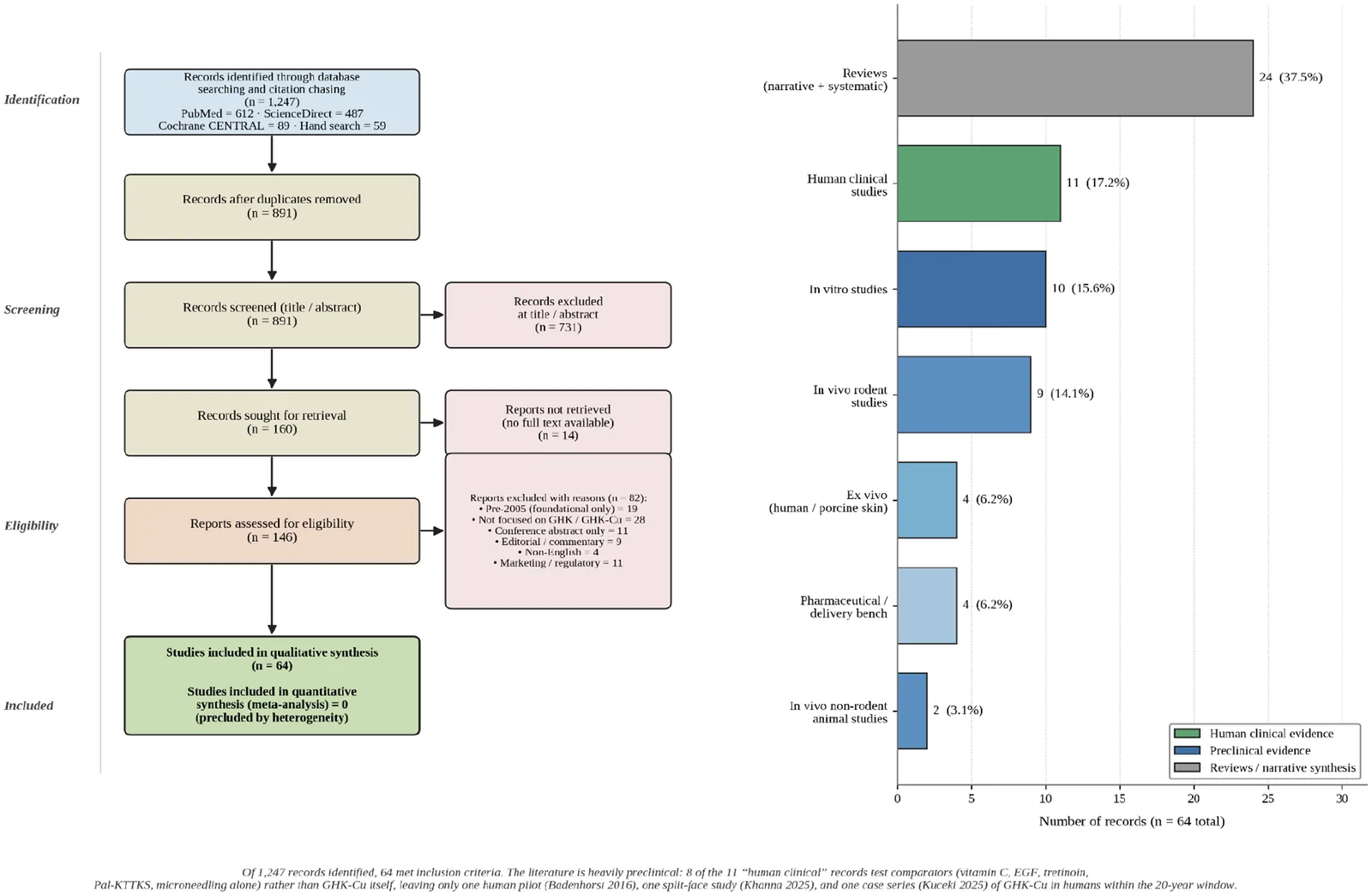 GHK-Cu2026
A Systematic Review of the Mechanisms and Therapeutic Applications of GHK-Cu (Glycyl-L-Histidyl-L-Lysine-Copper Complex) in Topical Microneedle Delivery: A Case for Expanded Clinical Trials.
Najafi N, et al. · Archives of internal medicine research
Figure: Najafi N, Maatouk H, Vardanyan KG, Vartanian KB, Agrawal DK. Archives of Internal Medicine Research, 2026. CC BY.
PMID 42787770
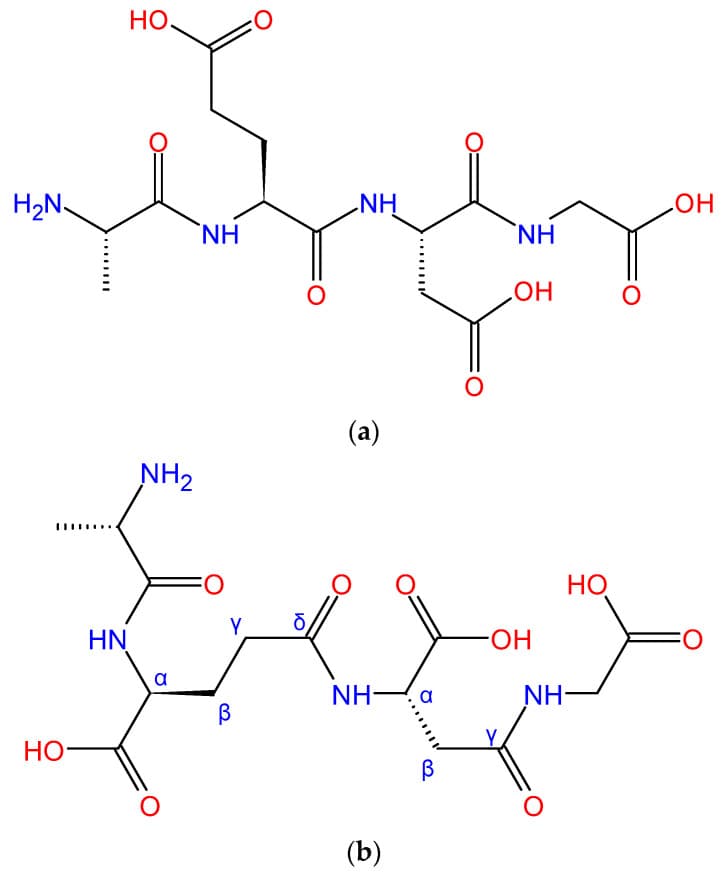 Epithalon2025
Overview of Epitalon-Highly Bioactive Pineal Tetrapeptide with Promising Properties.
Araj SK, et al. · International journal of molecular sciences
Figure: Araj SK, Brzezik J, Mądra-Gackowska K, Szeleszczuk Ł. International Journal of Molecular Sciences, 2025. CC BY.
PMID 40141333
- No figure under an open licenceTB-5002026
Therapeutic peptides in gerontology: mechanisms and applications for healthy aging.
Mavrych V, et al. · Frontiers in aging
PMID 42021992
- No figure under an open licenceSelank2026
Therapeutic Peptides in Orthopaedics: Applications, Challenges, and Future Directions.
Rahman OF, et al. · Journal of the American Academy of Orthopaedic Surgeons. Global research & reviews
PMID 41490200
- No figure under an open licenceIpamorelin2026
Safety and Efficacy of Approved and Unapproved Peptide Therapies for Musculoskeletal Injuries and Athletic Performance.
Mendias CL, Awan TM · Sports medicine (Auckland, N.Z.)
PMID 41966639
About this list
Records are retrieved from PubMed and listed as a bibliography. Titles are reproduced as published. A citation records what has been studied; it is not a statement about the material supplied here, and nothing in this list is an indication of use.
Last retrieved 2026-10-12
Research Use Only. Not for human or veterinary use.
These materials are supplied to laboratories and research organisations as reagents. They are not medicines, are not supplied for administration to humans or animals, and must not be resold for those purposes.